
Types of Knee Braces and Their Uses Explained
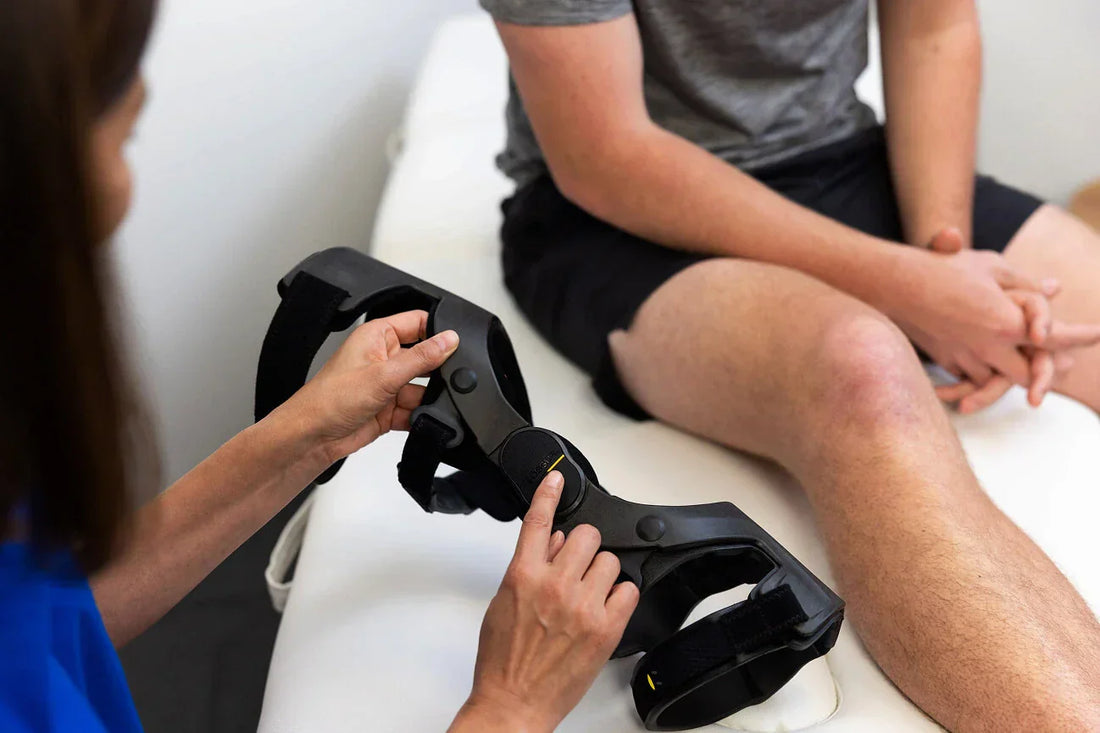
Knee braces are effective tools which help manage injuries and support prevention. However, selecting the appropriate type of knee support for your specific requirements can totally be challenging.
To assist you, there are various options available in the market. It includes hinged, immobilization, compression and preventative braces. It helps you identify the most suitable solution.
Here are some fun facts many people do not know about their knees:
- The knee cap develops during childhood.
- Babies are born with cartilage not with a fully formed patella.
- The patella is the largest sesamoid bone in the body.
- It improves muscle efficiency by almost 30–50%.
- The knee experiences enormous pressure even during simple activities.
In this blog, we”ll study about knee braces types and their uses.
Signs You Should Not Ignore
Many people ignore early knee symptoms. But small issues can become serious over time. Early treatment often prevents bigger complications.
Seek medical attention if you notice all these:
- Swelling
- Sharp pain
- Clicking sounds
- Difficulty walking
- Knee locking
- Instability
- Persistent stiffness
- Pain while climbing stairs
Strong muscles help maintain proper patellar movement.
Important muscles include:
- Quadriceps
- Hamstrings
- Gluteal muscles
- Calf muscles
Weak quadriceps can reduce patellar control during walking. Muscle imbalances may increase lateral patellar tracking and joint stress.
Conditions Where Knee Supports Are Helpful
Knee supports are beneficial for several medical and physical conditions. People with osteoarthritis use knee supports. It helps reduce stiffness as well as pain during movement. Athletes use them to prevent injuries and support weak ligaments during sports activities.
Individuals who are recovering from ACL injuries, meniscus tears or knee surgeries.Conditions often require advanced knee support with hinges. Elderly individuals benefit from improved balance as well as reduced pressure on weakened joints. Pain relief knee supports are also useful for obesity-related knee stress because they help distribute weight more evenly across the joint.
Knee Cap Compression Levels
Compression levels of knee supports are measured in millimeters of mercury (mmHg), the same unit commonly used for blood pressure measurements.
Compression garments are generally classified into categories:
| Compression Level | Pressure Range | Application |
| Mild Compression | 8–15 mmHg | Daily support, mild fatigue |
| Moderate Compression | 15–20 mmHg | Sports recovery, minor swelling |
| Medical Grade Moderate | 20–30 mmHg | Arthritis, patellar instability |
| High Compression | 30–40 mmHg | Severe edema, post-surgical management |
| Very High Compression | 40+ mmHg | Specialized vascular conditions |
Types of Knee Braces
1. Compression Knee Sleeves
They provide mild support, compression and warmth. Best for mild knee pain, gym workouts, walking, early arthritis as well as minor swelling. Not ideal for major ligament tears and severe instability.
These are elastic sleeves made from:
- Neoprene
- Nylon
- Spandex
2. Open Patella Knee Cap
Best for patellofemoral pain syndrome, runner’s knee and front knee pain. This type has a hole at the front for the kneecap.
Benefits:
- Reduces pressure on patella
- Improves tracking
- Reduces pain during stair climbing
3. Hinged Knee Brace
Best for ACL injuries, ligament tears, post-surgery recovery and sports injuries. This contains metal or plastic hinges.
Benefits:
- Strong stability
- Side support
- Controlled movement
4. Patella Strap
A small strap placed below the kneecap. Best for jumper’s knee, tendon pain and sports overuse injuries.
Used commonly by:
- Basketball players
- Volleyball players
- Runners
5. Unloader Knee Brace
These are advanced braces designed for arthritis. Best for medial compartment knee osteoarthritis and severe arthritis.
Benefits:
- Shift pressure away from damaged knee area
- Reduce pain during walking
| Condition | Recommended Support |
| Mild knee pain | Compression sleeve |
| Arthritis | Unloader brace |
| ACL injury | Hinged brace |
| Patella instability | Patella stabilizer |
| Sports support | Compression or hinged brace |
Top 5 Benefits of Knee Cap Supports
Pain Reduction
Compression and stabilization reduce stress on inflamed tissues. Soft knee braces can significantly improve pain as well as function in osteoarthritis patients.
Improved Joint Stability
Braces reduce abnormal knee movement and improve confidence while walking. This is particularly useful after ligament injuries.
Better Proprioception
Proprioception means joint awareness and knee support improves sensory feedback. It helps users control movement better and reduce accidental twisting.
Reduced Swelling
Compression helps improve fluid circulation as well as minimizes inflammation.
Enhanced Confidence During Movement
Many patients fear movement because of pain or instability. Knee braces provide psychological and physical support.
Conclusion
Hinged knee braces are valuable orthopedic tools for pain management, injury recovery and joint stabilization. They can reduce pain, improve physical function and enhance mobility in many knee conditions when you use it in a correct manner.
However, knee braces effectiveness depends on:
- Proper selection
- Correct fitting
- Consistent use
- Exercise therapy
- Weight management
- Medical guidance
Choosing the right knee support totally based on the specific condition which is essential for achieving the best results. A well-fitted knee brace for men and women combined with strengthening exercises. Healthy lifestyle habits and physiotherapy is very important which can significantly improve quality of life and reduce knee pain over time.