
Why Cybersecurity Is Now a Major Selling Point in Web Hosting
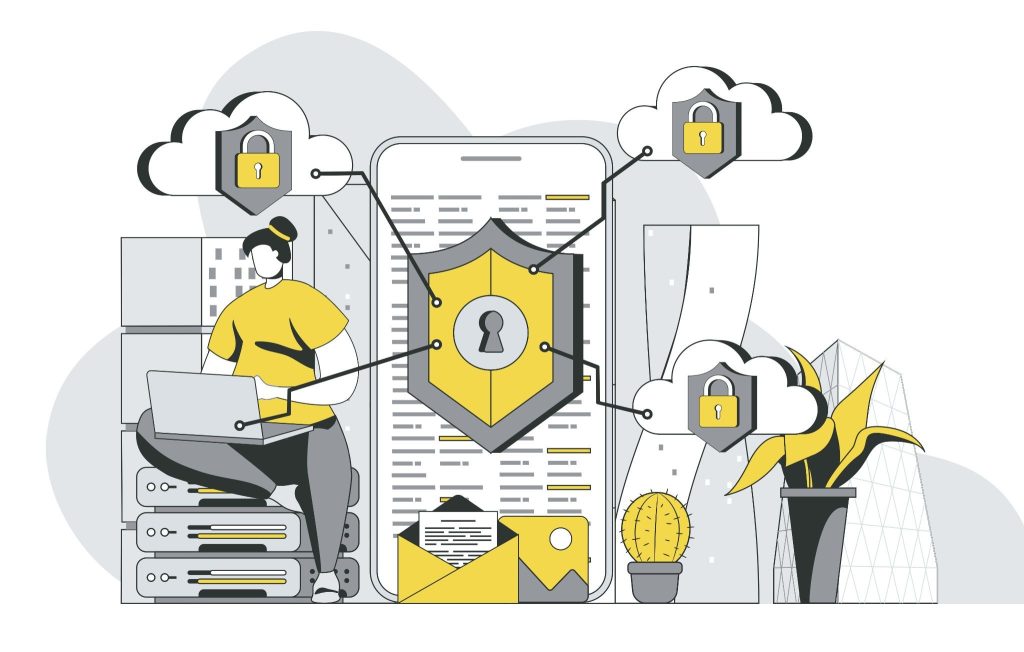
Illustration by VectorElements on Unsplash
Cybersecurity used to feel like a technical concern that lived in the background. Business owners cared about speed, storage, uptime, and price. Security was often treated as a bonus feature, something handled later once the website was already live. That mindset has changed. Today, cybersecurity is one of the biggest reasons people choose one web host over another.
A website is no longer just a digital brochure. It collects leads, processes payments, stores customer details, manages bookings, hosts content, and supports daily business activity. When that website goes down or gets hacked, the damage can reach far beyond a few lost visitors. It can affect revenue, search rankings, customer trust, and brand reputation.
That is why secure hosting has become a serious selling point. Businesses want more than space on a server. They want protection, reliability, monitoring, backups, and fast support when something goes wrong. A good hosting provider now needs to prove that it can help defend a website against modern threats.
Website Attacks Are More Common Than Many Business Owners Realize
Many small businesses assume hackers only target large companies. That is a risky assumption. Smaller websites often become targets because they may have weaker security, outdated plugins, poor passwords, or cheap hosting environments with limited protection.
Cybercriminals do not always attack a specific company by name. Many attacks use automated bots that scan thousands of websites at once. These bots look for weak login pages, outdated software, exposed databases, unsecured forms, and vulnerable themes or plugins. When they find an opening, they can inject spam links, steal data, redirect visitors, or install malicious files.
For a business owner, the first sign of trouble may come too late. A customer may report a warning screen. Google may flag the site as unsafe. The website may start loading slowly or stop working altogether. In some cases, the owner may not even know the site has been compromised until rankings or sales begin to drop.
This growing risk has made cybersecurity a front-line concern in web hosting. Customers now want providers that stop problems early instead of only reacting after damage has already happened.
Trust Has Become Part of Hosting Value
Trust is one of the most important assets online. When visitors land on a website, they make quick judgments. Is the site safe? Does it load correctly? Can they enter their email or payment details with confidence? A secure hosting setup helps answer those questions.
SSL certificates, malware scanning, firewalls, secure login tools, and regular backups all support that trust. These features may sound technical, but their impact is simple. They help keep visitors safe and help businesses look credible.
A site that displays browser security warnings can lose customers instantly. Even loyal visitors may hesitate if they think their information is at risk. For eCommerce stores, service businesses, membership sites, and blogs with lead forms, that hesitation can reduce conversions.
This is why many website owners now compare hosting providers based on security features, not price alone. When reviewing the best web hosting plans, security should sit near the top of the checklist because it directly affects user confidence and long-term website performance.
Hosting Security Is No Longer Just About SSL
SSL is important, but it is only one part of website security. A modern hosting provider needs to offer a broader security framework. Websites face many types of threats, and one feature cannot protect against all of them.
Strong hosting security may include server-level firewalls, DDoS protection, malware detection, brute-force login protection, automatic updates, isolation between accounts, secure file permissions, and backup restoration tools. These protections work together to reduce risk.
For WordPress websites, hosting security matters even more. WordPress powers many business websites, which makes it a frequent target for automated attacks. Plugins, themes, login pages, and admin accounts all need regular attention. A hosting provider that understands WordPress security can help reduce common risks before they become expensive problems.
The best security setups are also easy to manage. Business owners should not need to become cybersecurity experts just to keep their site safe. Good hosting makes protection part of the service, not an extra burden.
Downtime From Security Issues Can Be Expensive
When people think about hacking, they often think about stolen data. That is serious, but downtime can also hurt a business. If a website goes offline during a product launch, advertising campaign, or busy sales period, lost revenue can add up quickly.
Security-related downtime can happen when malware overloads server resources, when a site gets blacklisted, when attackers flood the server with fake traffic, or when files need to be cleaned and restored. Even a few hours offline can frustrate customers and interrupt operations.
Search engines may also react poorly to unsafe or unreliable websites. If a site becomes infected with malware or redirects users to suspicious pages, it can lose visibility. Recovery can take time, especially if the site needs cleanup, review, and reindexing.
A secure host helps reduce these risks. It does not guarantee that nothing will ever happen, but it improves prevention and recovery. For business owners, that peace of mind has real value.
Backups Are a Security Feature, Not Just a Convenience
Many website owners think of backups as a simple recovery tool. In reality, backups are a key part of cybersecurity. If a website gets infected, deleted, broken, or locked by an attacker, a clean backup can help restore operations faster.
The quality of backups matters. A strong hosting provider should offer automatic backups, easy restoration, and enough backup history to recover from problems that may not be discovered right away. Daily backups are helpful, but some websites may need more frequent backups, especially online stores or membership platforms that change often.
Backups should also be stored safely. If backups sit in the same vulnerable environment as the website, they may be at risk during an attack. Reliable hosting providers understand this and design backup systems with recovery in mind.
When choosing the best web hosting solution, business owners should look beyond storage space and uptime claims. Backup quality, restore options, and security support can make a major difference during a real emergency.
Customers Expect Better Data Protection
Consumers are more aware of online security than before. They notice secure checkout pages, privacy policies, login protection, and warning messages. They may not understand every technical detail, but they know when a website feels unsafe.
Businesses that collect customer information have a responsibility to protect it. This includes names, email addresses, phone numbers, payment details, account logins, and message form submissions. Poor hosting security can put that information at risk.
Data protection also affects brand reputation. A business may spend years building trust, then lose it after one public security issue. Customers may forgive a simple website bug, but they are less forgiving when their personal information is involved.
This is one reason cybersecurity has moved from the IT department into business strategy. Owners, marketers, and decision-makers now care about hosting security because it affects sales, retention, and reputation.
Secure Hosting Supports Better SEO and Performance
Security and SEO are connected. Search engines want to send users to safe, useful websites. A hacked website can damage that relationship. Malware warnings, spam pages, suspicious redirects, and downtime can all hurt organic visibility.
Performance also plays a role. Some attacks consume server resources and slow down a website. A slow website can frustrate users and reduce engagement. Good hosting security helps protect server performance by filtering malicious traffic and reducing harmful activity.
Secure hosting can also support technical SEO basics. SSL, uptime, clean server environments, and reliable performance all contribute to a stronger website foundation. While security alone will not guarantee rankings, poor security can create problems that hold a site back.
For content publishers, service companies, and online stores, this makes secure hosting a smart investment. It protects the work already spent on SEO, content, ads, and conversion optimization.
Support Matters When Security Problems Happen
Even with strong protection, no website is completely risk-free. That is why support quality matters. When something goes wrong, business owners need fast, clear help.
A good hosting provider should help identify suspicious activity, explain the issue in simple terms, and guide the recovery process. Some hosts offer malware removal, security scans, or expert support for hacked websites. Others may only suspend the account and leave the owner to solve the problem alone.
That difference matters. During a security issue, every hour counts. Clear support can reduce stress and help the business return to normal faster.
When comparing the best web hosting services, it helps to look at how each provider handles security support. Features are important, but responsive help can be just as valuable when a real problem appears.
Cybersecurity Is Now Part of the Buying Decision
Price still matters in web hosting, but it is no longer the only factor. Many businesses now understand that cheap hosting can become expensive if it leads to poor security, downtime, lost sales, or cleanup costs.
Cybersecurity has become a selling point because it solves a real business concern. Website owners want protection without complexity. They want hosting that helps prevent attacks, protects data, supports recovery, and keeps visitors confident.
This shift will likely continue. Websites will keep handling more business activity, and attackers will keep looking for weak spots. Hosting providers that make security simple and reliable will stand out.
For business owners, the lesson is clear. Do not treat cybersecurity as an optional feature. Treat it as part of the foundation of your website. A secure host helps protect your content, your customers, your reputation, and your ability to keep doing business online.
About the Author
Paul Wheeler is a web hosting expert who helps businesses compare hosting providers, security features, and performance tools for smarter online growth decisions.