
The Complete Guide to Stainless Clad Frying Pans
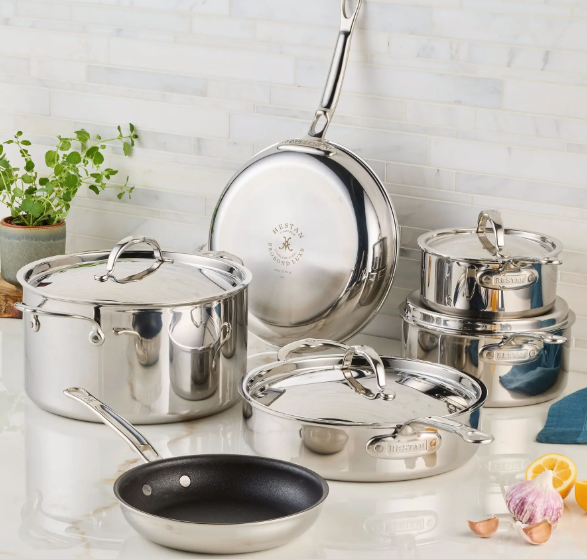
When it comes to cookware, few tools are as essential and versatile as a frying pan. Whether you are searing a steak, sautéing vegetables, or scrambling eggs, the quality of your pan can make a big difference in the results. Among the many choices available today, stainless clad frying pans stand out for their durability, performance, and timeless appeal. This article explores what stainless clad frying pans are, why they matter, their advantages and disadvantages, and how to care for them properly.
What Is a Stainless Clad Frying Pan?
A stainless clad frying pan is made from layers of different metals bonded together. Typically, these pans feature a core of aluminum or copper sandwiched between layers of stainless steel. The stainless steel provides strength, resistance to corrosion, and a non-reactive cooking surface, while the aluminum or copper enhances heat conduction. This “cladding” or multi-layer construction creates a balance between durability and performance that single-metal pans often cannot achieve.
Why Stainless Clad Instead of Pure Stainless Steel?
Pure stainless steel pans look beautiful and are highly durable, but they are not the best conductors of heat. Cooking on a pan made solely of stainless steel often results in hot spots, uneven cooking, and frustration. By cladding stainless steel with aluminum or copper, manufacturers solve this problem. The core metal spreads heat quickly and evenly across the pan’s surface, while the stainless steel ensures longevity and easy maintenance.
This combination means stainless clad pans heat up efficiently, respond well to temperature changes, and maintain consistent results for a variety of cooking techniques.
Key Benefits of Stainless Clad Frying Pans
- Durability
Stainless steel is famously tough. It resists scratches, dents, and rust, even with daily use. When bonded with other metals, the pan becomes a long-term kitchen investment. - Non-Reactive Cooking Surface
Stainless steel does not react with acidic or alkaline foods. Unlike cast iron, you can simmer tomato sauces, wine reductions, or lemon-based dishes without worrying about metallic flavors leaching into your food. - Excellent Heat Distribution
Thanks to the aluminum or copper core, heat spreads evenly across the pan. This reduces the risk of burnt spots and helps ensure consistent browning and searing. - Versatility
Stainless clad frying pans can handle nearly any cooking method: searing, frying, sautéing, and even baking. Many are oven-safe and compatible with induction cooktops. - Professional Quality
Chefs around the world trust stainless clad pans because they deliver consistent performance under demanding conditions. They are often the go-to pans in commercial kitchens.
Potential Drawbacks
Like any cookware, stainless clad frying pans come with a few downsides:
- Weight: The multiple layers of metal can make these pans heavier than standard nonstick or aluminum pans.
- Learning Curve: Stainless steel cooking surfaces require proper preheating and oiling to prevent food from sticking. Beginners may find them less forgiving than nonstick pans.
- Price: High-quality stainless clad pans are an investment. They cost more than basic nonstick pans but are designed to last for decades.
How to Use a Stainless Clad Frying Pan Effectively
Using a stainless clad frying pan requires a few simple techniques:
- Preheat Properly
Heat the pan on medium for a few minutes before adding oil. A well-heated surface ensures food releases more easily. - Use Enough Oil or Butter
Stainless steel is not nonstick. A thin layer of fat creates a barrier between the food and the metal, reducing sticking. - Avoid Constant Stirring
When searing meat, allow it to sit undisturbed for a few minutes. Once a crust forms, it will release from the pan naturally. - Deglaze for Flavor
The brown bits (called fond) that stick to the pan after searing are full of flavor. Deglaze with wine, broth, or vinegar to create delicious sauces.
Cleaning and Maintenance
Caring for stainless clad frying pans is easier than many expect. Here are some tips:
- Cool Before Washing: Let the pan cool slightly before rinsing. Plunging a hot pan into cold water can cause warping.
- Hand Wash Preferred: While many stainless clad pans are dishwasher-safe, hand washing with warm soapy water extends their lifespan.
- Tackle Stubborn Stains: For stuck-on residue, soak the pan or simmer water in it to loosen debris. A paste of baking soda and water can also help.
- Restore Shine: Stainless steel cleaners or a mixture of vinegar and water can bring back the pan’s luster.
Stainless Clad vs. Nonstick Frying Pans
Many home cooks wonder if they should choose a stainless clad frying pan or stick with nonstick. The answer depends on your needs:
- Nonstick pans are best for delicate foods like eggs, pancakes, and fish. They require less oil but wear out over time and cannot withstand high heat.
- Stainless clad pans excel at high-heat cooking like searing and browning. They are more versatile, oven-safe, and built to last.
For most kitchens, having both types of pans is ideal. Use nonstick for specific tasks and rely on stainless clad for everyday, heavy-duty cooking.
Factors to Consider Before Buying
When shopping for a stainless clad frying pan, keep the following in mind:
- Number of Layers: Look for pans with at least three layers (stainless steel, aluminum, stainless steel). Premium pans may have five or more layers for added performance.
- Handle Design: Riveted handles provide durability, while ergonomic shapes improve comfort. Heat-resistant handles are ideal for stovetop use.
- Weight Balance: A good pan should feel solid but not unwieldy. Try lifting it before buying.
- Compatibility: Make sure the pan works with your cooktop type, especially if you use induction.
- Size: A 10- or 12-inch frying pan is most versatile for family cooking, but smaller sizes work well for single servings or side dishes.
Long-Term Investment
One of the greatest advantages of stainless clad frying pans is their longevity. Unlike nonstick pans that often need replacing every few years, a well-made stainless clad pan can last a lifetime. With proper care, it will maintain its performance and appearance even after decades of use. This makes it not just a cooking tool, but a worthwhile investment for your kitchen.
Conclusion
A stainless clad frying pan is a versatile, reliable, and professional-grade piece of cookware that belongs in every kitchen. Its layered construction combines the durability of stainless steel with the superior heat conduction of aluminum or copper, resulting in even cooking and lasting performance. While there is a small learning curve, mastering this type of pan opens up countless possibilities for better cooking at home. Whether you are a seasoned chef or a home cook looking to upgrade your kitchen tools, a stainless clad frying pan is an investment that pays off meal after meal, year after year.