
Safeguarding Young Ears: How Kids Headphones Enhance Hearing Protection
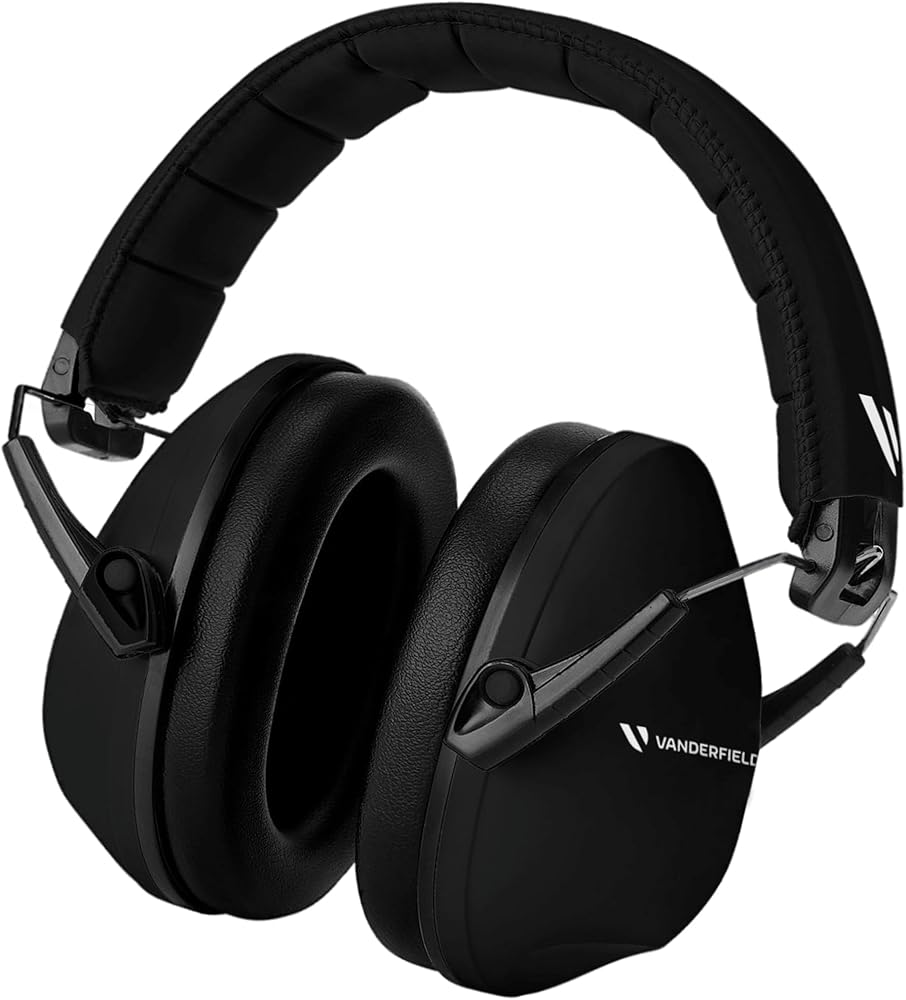
In a world where technology is an almost inseparable part of daily life, it is essential to ensure that even the youngest users are equipped with the necessary tools to enjoy audio content safely. Listening devices, such as headphones, are ubiquitous, but not all are appropriate for the delicate ears of children. As parents, educators, and guardians, understanding the role of kids headphones in enhancing hearing protection is critical for safeguarding the auditory health of the younger generations.
The Importance of Hearing Protection for Children
Hearing is one of our most vital senses, furnishing us with the ability to communicate, learn, and interact with the world. For children, whose senses are still developing, the threat of hearing loss due to excessive noise exposure can have significant implications. Not only does it affect their ability to learn and communicate, but also their social development and overall quality of life. Studies suggest that noise-induced hearing loss is cumulative and irreversible, highlighting the importance of early intervention and protection.
Understanding the Risks of Audio Devices
Conventional headphones and earphones are not designed with the young listener in mind. These standard audio devices can produce volume levels that exceed safe limits, posing a threat to the fragile inner ear structures of children. Prolonged exposure to loud noise can damage the hair cells in the cochlea, leading to permanent hearing impairment.
Volume Limiting: A Key Feature of Kids Headphones
One of the defining characteristics of specialised kids headphones is the in-built volume limiting capability. This feature ensures that sound is kept at levels recommended safe by health experts — usually not exceeding 85 decibels. By limiting the volume, kids headphones help in preventing accidental exposure to dangerously high audio levels that could lead to hearing damage.
Design Considerations for Children’s Headphones
Besides volume control, other design factors make kids headphones suited for young users. For instance, the build is typically lightweight, alleviating pressure on the head and ears. The materials used are also often hypoallergenic to prevent skin sensitivities. Further, the durability is taken into account to withstand the knocks and drops that are an inevitable part of children’s play.
Durability and Comfort: A Balancing Act
Ergonomics play a significant role in the design of kids headphones. The headphones must achieve a balance between being robust enough to endure the rough and tumble of a child’s environment while being comfortable enough for long periods of use. This includes features such as padded ear cups and adjustable bands that can grow with the child.
Wireless Convenience for the Active Child
Moreover, with safety and freedom of movement in mind, many kids headphones are going wireless. The elimination of cords reduces the risk of accidents, providing children with the liberty to move around without being tethered to a device. This wireless feature also simplifies supervision, as caregivers need not fret about potential cord hazards during active play.
Educating Kids about Safe Listening Habits
While kids headphones are an excellent tool for protecting young ears, education on safe listening practices is equally important. Encouraging children to take regular breaks from headphone use, for instance, can prevent auditory fatigue. Teaching them about the acceptable volume levels and the signs of hearing strain are also crucial preventative measures.
Integration with Learning and Development Tools
Technology is an intrinsic component of modern learning. The incorporation of kids headphones in educational settings ensures that children can engage with multimedia content without endangering their hearing. These devices are particularly useful in classrooms and libraries, where they can be integrated with learning tablets and computers for interactive lessons and reading programs.
The Role of Parents and Educators in Auditory Health
Parents and educators have a responsibility to model and reinforce healthy audio habits. This includes supervising the use of headphones and making informed choices when purchasing listening devices suited for children. Considering the child’s age, needs, and lifestyle when selecting headphones ensures that the device enhances their learning experience without risking their auditory wellbeing.
Investing in Kids Headphones for Long-Term Wellbeing
Investing in a pair of quality kids headphones is not simply about immediate convenience; it is a long-term investment in a child’s auditory health. Properly fitted, safe, and user-friendly headphones can become a trusted accessory for young users, accompanying them through various stages of their development.
Choosing the Right Headphones
When selecting kids headphones, factors like the maximum volume output, build quality, wireless functionality, and adaptability for different head sizes should be considered. Moreover, parental controls and additional features such as ambient noise reduction can further enhance the audio experience while maintaining safety.
Beyond Hearing Protection: The Advantages of Tailored Audio Solutions
Kids headphones go beyond mere hearing protection. They serve as tools that can aid in concentration, particularly in noisy environments, and they enhance the overall listening experience by providing clear, tailored sound for young ears. Additionally, many kids headphones come with engaging designs, making them attractive to children and more likely to be used correctly and consistently.
Conclusion
The integration of kids headphones into the audio consumption habits of children presents an opportunity to ensure safe listening experiences from an early age. With thoughtful design considerations and an emphasis on volume control, these devices act as crucial tools for hearing protection. Educating children about the importance of safe listening, together with the responsible selection and use of kids headphones, is pivotal in safeguarding the younger generations from the risks of noise-induced hearing loss. Indeed, through the careful implementation of these protective measures, we can nurture a healthier, more sound-aware generation.
Effective hearing protection for children is more than a necessity; it’s a foundation for their future. Setting protective measures in place allows children to explore, learn, and enjoy the world of sound without compromising their long-term hearing health. In essence, kids headphones are not just a gadget; they’re an investment in a child’s ability to listen to the world safely, now and well into the future.