
Mastering Lawn Care: Essential Techniques
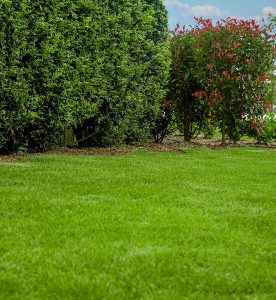
To cultivate a thriving lawn, it is essential to first understand its specific needs. Different grass types have varying requirements in terms of sunlight, water, and nutrients. For instance, cool-season grasses such as Kentucky bluegrass and fescue thrive in northern climates where temperatures are moderate, while warm-season grasses like Bermuda and zoysia flourish in southern regions with hotter climates.
Identifying the type of grass in Hervey Bay is the first step toward tailoring care practices that will promote healthy growth. Additionally, soil quality plays a crucial role in determining your lawn’s health. Conducting a soil test can provide valuable insights into pH levels, nutrient content, and organic matter.
This information is vital for making informed decisions about fertilization and amendments. For example, if your soil is too acidic, adding lime can help raise the pH, making nutrients more available to the grass. Conversely, if the soil is too alkaline, sulfur can be used to lower the pH.
Understanding these factors allows homeowners to create a customized lawn care plan that addresses specific deficiencies and promotes optimal growth.
Proper Mowing Techniques
Mowing is not merely a chore; it is a critical aspect of lawn maintenance that can significantly impact the health and appearance of your grass. One of the most important considerations is the height at which you mow. Different grass types have ideal mowing heights that should be adhered to for optimal health.
For instance, cool-season grasses generally thrive when mowed to a height of 2.5 to 4 inches, while warm-season grasses prefer a height of 1 to 3 inches. Mowing too short can stress the grass, making it more susceptible to disease and drought. Moreover, the frequency of mowing is equally important.
Regular mowing encourages lateral growth and helps maintain a dense turf that can outcompete weeds. A good rule of thumb is to mow when the grass reaches one-third taller than the recommended height. This practice not only keeps the lawn looking neat but also ensures that you are not removing more than one-third of the leaf blade at any given time, which can lead to shock and weaken the plant.
Additionally, using sharp mower blades is essential; dull blades tear the grass rather than cut it cleanly, leading to ragged edges that can become entry points for pests and diseases.
Fertilizing and Feeding Your Lawn
Fertilization is a cornerstone of lawn care that provides essential nutrients for growth and vitality. The three primary nutrients found in fertilizers are nitrogen (N), phosphorus (P), and potassium (K), often referred to as N-P-K ratios on fertilizer bags. Nitrogen promotes lush green growth, phosphorus supports root development and flowering, while potassium enhances overall plant health and disease resistance.
Understanding your lawn’s nutrient needs based on soil tests can guide you in selecting the right fertilizer. Timing is also crucial when it comes to fertilizing your lawn. For cool-season grasses, early spring and fall are ideal times for application, as these periods align with their peak growth phases.
Conversely, warm-season grasses benefit from fertilization in late spring through summer when they are actively growing. Slow-release fertilizers can be particularly beneficial as they provide a steady supply of nutrients over time, reducing the risk of nutrient leaching and promoting sustained growth.
Watering Your Lawn Effectively
Watering is another fundamental aspect of lawn care that requires careful consideration to ensure your grass receives adequate moisture without overwatering. The general guideline for watering is to provide about one inch of water per week, either through rainfall or irrigation. This amount encourages deep root growth, which is essential for drought resistance.
To determine how much water your lawn is receiving, you can use a simple rain gauge or even a small container placed on your lawn during watering sessions. The timing of watering is equally important; early morning is often considered the best time to water your lawn. Watering in the morning allows grass blades to dry out during the day, reducing the risk of fungal diseases that thrive in moist conditions.
Additionally, watering deeply but infrequently encourages roots to grow deeper into the soil, making them more resilient during dry spells. Avoiding shallow watering practices helps prevent surface roots that are more susceptible to drought stress.
Dealing with Weeds and Pests
Weeds and pests can pose significant challenges to maintaining a healthy or even a new lawn. Weeds compete with grass for nutrients, water, and sunlight, often leading to a decline in overall lawn health. Identifying common weeds in your area is crucial for effective management.
For instance, dandelions and crabgrass are prevalent in many lawns and require different approaches for control. Pre-emergent herbicides can be effective against annual weeds like crabgrass when applied before they germinate, while perennial weeds may require targeted post-emergent treatments. Pest management is equally important in preserving lawn health.
Common pests such as grubs and chinch bugs can cause extensive damage if left unchecked. Regularly inspecting your lawn for signs of pest activity—such as brown patches or increased bird activity—can help catch infestations early. Integrated Pest Management (IPM) strategies that combine cultural practices, biological controls, and chemical treatments can provide effective solutions while minimizing environmental impact.
Aeration and Dethatching
Aeration and dethatching are two essential practices that enhance soil health and promote vigorous grass growth. Aeration involves perforating the soil with holes to allow air, water, and nutrients to penetrate deeper into the root zone. This process alleviates soil compaction—a common issue in lawns subjected to heavy foot traffic—and encourages root development.
Aeration is particularly beneficial for lawns with clay soils or those that have not been aerated in several years. Dethatching, on the other hand, addresses the buildup of thatch—a layer of dead grass clippings, roots, and other organic matter that accumulates on the soil surface. While a thin layer of thatch can be beneficial by providing insulation and moisture retention, excessive thatch can hinder water absorption and promote pest problems.
Dethatching can be accomplished using specialized dethatching rakes or machines that remove this layer effectively without damaging healthy grass.
Overseeding and Reseeding
Overseeding and reseeding are vital practices for maintaining a lush and healthy lawn over time. Overseeding involves spreading grass seed over an existing lawn to fill in bare spots or improve density without tearing up the existing turf. This practice is particularly useful for rejuvenating tired lawns or introducing new grass varieties that may be better suited to changing environmental conditions.
Reseeding typically refers to replanting areas where grass has died or been severely damaged due to pests or environmental stressors. It’s essential to prepare the soil properly before reseeding by loosening it with a rake or aerator to ensure good seed-to-soil contact. Choosing the right seed mix based on your climate and existing grass type will enhance the chances of successful germination and establishment.
Seasonal Lawn Care Tips
Seasonal changes bring unique challenges and opportunities for lawn care enthusiasts. In spring, focus on cleaning up debris from winter storms and performing necessary aeration and overseeding to prepare for vigorous growth. As temperatures rise in summer, adjust your watering schedule to ensure deep hydration while being mindful of potential drought conditions.
Fall presents an excellent opportunity for fertilization as cool-season grasses prepare for winter dormancy; applying a high-nitrogen fertilizer can help them store energy for spring growth. Additionally, fall is an ideal time for aeration and overseeding to establish a robust lawn before winter sets in. Winter care may seem minimal but includes monitoring for snow mold or other winter diseases that can affect dormant grass.
Keeping pathways clear of snow buildup can also prevent damage from foot traffic during harsh weather conditions. By understanding these seasonal needs and implementing appropriate care strategies throughout the year, homeowners can cultivate a vibrant lawn that enhances their outdoor space while providing enjoyment for years to come.