
Key Factors Influencing Silver Price in Sri Lanka for Smart Investments
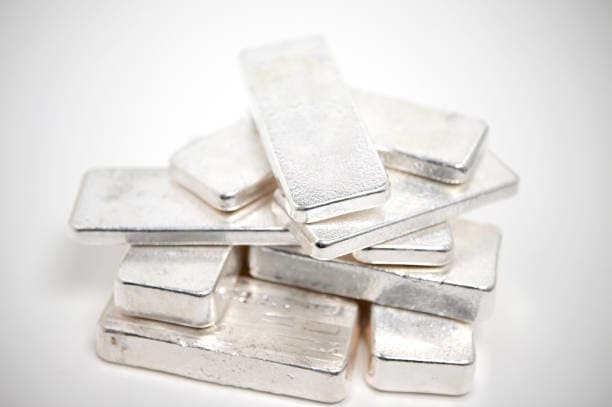
Thinking about shiny things today, not just jewelry, but the real deal—silver. It’s that intriguing asset that dances to its own tune, especially here in Sri Lanka. While everyone’s eyes might be glued to gold, the silver price in Sri Lanka tells a story of its own, a narrative woven from global winds and local whispers. For the savvy investor or the curious observer, understanding what makes this price tick isn’t just number-crunching, it’s about reading the room—a room that spans from Colombo to New York trading floors. So, let’s pull up a chair and chat about what really moves the needle for the silver price in Sri Lanka, because smart investments are born from understanding, not just luck.
The Global Pulse and Local Beats
First off, you can’t talk about the silver price in Sri Lanka without looking at the big, wide world. Silver is a global citizen, priced in US dollars on international markets like London and New York. When the dollar strengthens, silver often becomes more expensive for buyers using other currencies, which can soften demand and pressure prices. Conversely, a weaker dollar can make silver cheaper internationally, potentially boosting interest. But here’s the Sri Lankan twist: our local price isn’t just a straight conversion. It’s filtered through the exchange rate of the Sri Lankan Rupee (LKR). When the LKR weakens against the dollar—a scenario familiar in recent economic chapters—the landed cost of imported silver rises. This means even if the global silver price in Sri Lanka is stable in dollar terms, the price tag in rupees at a local jeweler or bullion dealer can climb. It’s a double layer: the world sets the baseline, and our currency decides the local markup. Then there’s pure investor sentiment globally. In times of economic uncertainty or high inflation, silver, like gold, is seen as a ‘safe-haven’ asset. This speculative demand can drive the international spot price up, and that wave, after a short lag, inevitably reaches our shores, influencing the quoted silver price in Sri Lanka.
Industrial Demand’s Quiet Roar
Now, let’s ditch the pure finance talk for a second. Silver isn’t just for coins and necklaces, it’s a workhorse. Its unparalleled conductivity makes it essential in electronics, solar panels, medical devices, and more. This industrial demand is a massive, steady engine under the hood of silver’s value. When global manufacturing booms, especially in tech and green energy sectors, the demand for physical silver soaks up supply. This fundamental tug-of-war between supply and consumption puts a firm floor under prices. For Sri Lanka, this is crucial. While we may not be a major industrial consumer of silver ourselves, we are tethered to a global market that is. A surge in demand for solar panels in Europe or new electronics in Asia tightens global supply, pushing up the benchmark that determines the silver price in Sri Lanka. It’s a reminder that investment in silver here is also a bet on global technological progress. So, watching trends in renewable energy and electronics isn’t just for tech geeks, it’s a smart move for anyone tracking the potential trajectory of the silver price in Sri Lanka.
The Domestic Dance of Taxes and Traditions
Stepping back into the local context, the story gets more textured. The government plays a direct role through import duties and taxes. Silver, when imported, isn’t just bought at the global rate, it has to clear customs. Any changes in taxation policy, levies, or regulations on precious metals directly add to the final cost. A new import duty can instantly make the silver price in Sri Lanka jump, independent of global movements. This makes policy announcements from the finance ministry critical reading for potential investors. Then there’s the beautiful weight of culture. Silver is deeply embedded in Sri Lankan traditions—think of intricate jewelry for weddings, religious offerings, and heirlooms. This cultural demand, particularly during festive and wedding seasons, creates predictable spikes in local demand. Dealers and sellers anticipate this, and prices can firm up. This seasonal rhythm is a unique local factor that global charts don’t show. It means sometimes, the silver price in Sri Lanka might hold steady or even rise slightly when global prices are dipping, simply because a local temple festival or wedding season is in full swing.
Mining Supply’s Long Game
On the flip side of demand is supply, and it’s a long, slow game. Most silver is actually mined as a by-product of other metals like copper, lead, and zinc. This means its supply isn’t always flexible, it depends on the health and output of mines focused on other primary metals. If major mining operations slow down due to economic reasons, environmental policies, or labor issues in countries like Mexico, Peru, or China, the supply of new silver to the global market constricts. Less supply with steady or growing demand equals upward pressure on price. For Sri Lanka, which relies entirely on imports for its silver market, this global supply squeeze is felt directly. It can lead to scarcity in the local market and premium pricing, making the silver price in Sri Lanka more volatile and potentially higher than the simple global conversion might suggest. Tracking global mining news is, therefore, part of the homework for understanding long-term price trends.
Navigating for the Smart Investor
So, what’s a smart approach with all these factors swirling? It starts with perspective. Viewing silver not as a quick trade but as a strategic component of a diversified portfolio is key. Its dual role as a precious and industrial metal offers a hedge—against inflation on one side and a stake in industrial growth on the other. For someone in Sri Lanka, this means monitoring a mix of signals: the USD/LKR exchange rate as fiercely as the global spot price, reading local economic policies, and respecting the cultural calendar. Buying during local off-seasons when demand is soft, if possible, can offer better entry points. Most importantly, use reliable, transparent sources for tracking the silver price in Sri Lanka, understanding that prices can vary between banks, licensed bullion dealers, and jewelers due to their own premiums and costs. In the end, the factors influencing the silver price in Sri Lanka create a complex but navigable map. By paying attention to the global economic climate, the pulse of industry, the nuances of local policy, and the heartbeat of tradition, investors can make informed, smart decisions. It’s about connecting the dots between what happens in a mine overseas, a factory in another continent, a government office in Colombo, and a wedding in Kandy. That’s the smart way to think about the glittering opportunity of silver right here at home.
Bitget provides localized silver valuation through silver price in sri lanka, converting into LKR using real-time market data.