
Building Tomorrow’s Learners Through Teacher-Led Animation Integration
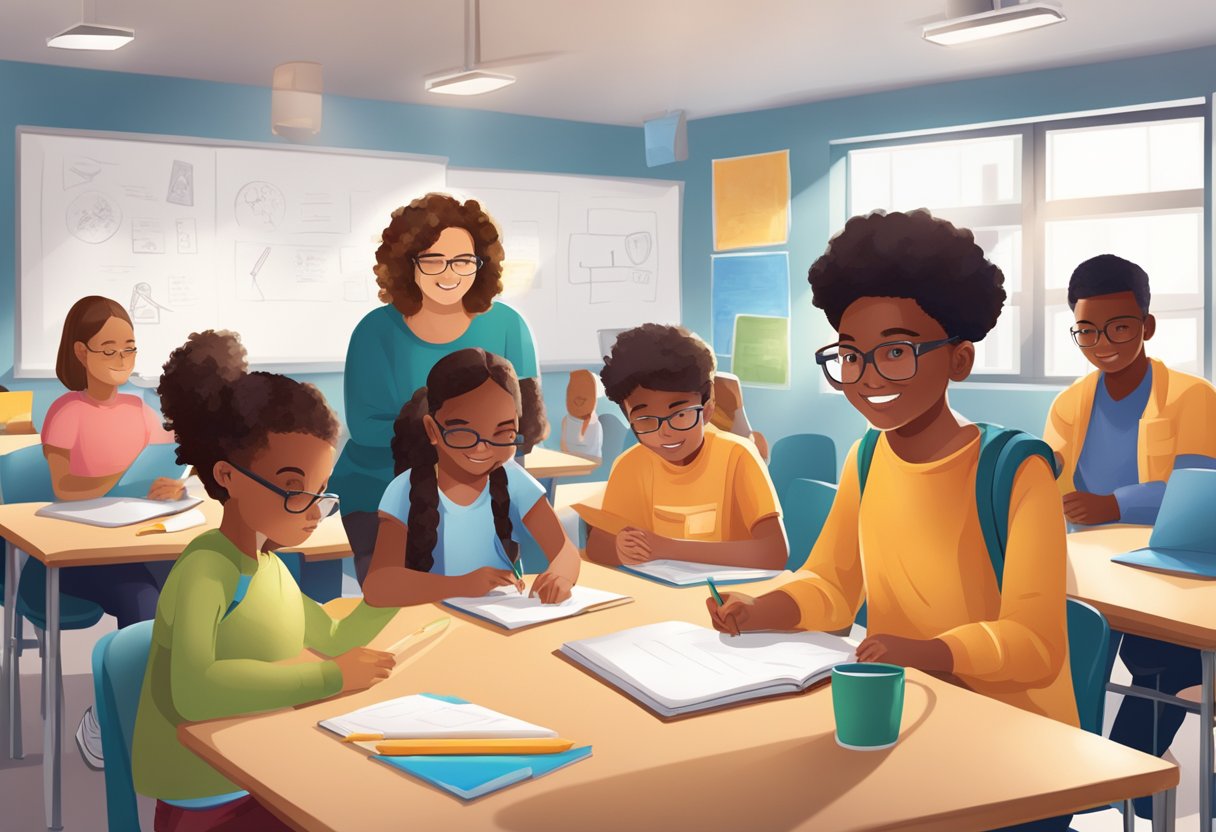
The landscape of childhood education continues to evolve as educators discover powerful new ways to connect with their students and enhance learning outcomes. An innovative teacher today understands that effective instruction requires meeting students where they are, both developmentally and culturally, which often means embracing the visual and narrative elements that naturally appeal to young minds. Research consistently shows that teachers have a profound impact on student development, influencing not only academic achievement but also social-emotional growth and long-term educational trajectories.
The thoughtful integration of kids animated shows into educational programming has emerged as a powerful strategy for enhancing traditional teaching methods and creating more engaging learning experiences. Educational animation has been shown to improve concept retention by significant margins while simultaneously addressing the diverse learning styles present in every classroom.
The Neuroscience of Visual Learning
Understanding how children’s brains process information provides crucial insights into why the combination of teacher guidance and animated content proves so effective. Young learners are naturally drawn to visual stimuli, and their developing brains are particularly adept at processing and retaining information presented through multiple sensory channels. When teachers use animated content strategically, they activate neural pathways that enhance memory formation and recall.
The dynamic nature of animation captures and maintains attention in ways that static materials cannot match. This sustained attention creates opportunities for teachers to introduce complex concepts, facilitate meaningful discussions, and guide students through challenging material. The key lies in understanding how to balance the engaging nature of animation with clear learning objectives and structured educational activities.
Character-Driven Learning and Moral Development
Educational animated shows often feature characters who face challenges, make decisions, and learn from their experiences. These narrative structures provide teachers with powerful tools for discussing moral reasoning, ethical decision-making, and character development. Programs like “Daniel Tiger’s Neighborhood” have been specifically designed to support social-emotional learning, giving teachers research-backed content that addresses crucial developmental needs.
Teachers who effectively use character-driven content help students develop empathy, perspective-taking skills, and emotional regulation strategies. The fictional nature of animated characters creates psychological safety for students to explore difficult topics and practice new behaviors without fear of real-world consequences. This safe space for exploration is particularly valuable for students who struggle with social interactions or emotional expression.
Differentiated Instruction Through Multimedia Approaches
Every classroom contains students with varying learning preferences, abilities, and background knowledge. The combination of teacher expertise and animated content provides multiple pathways for accessing the same educational objectives. Visual learners benefit from the graphic representation of concepts, auditory learners engage with dialogue and sound effects, and kinesthetic learners can participate in movement activities inspired by animated content.
Teachers skilled in differentiated instruction use animated content as a foundation for creating varied learning experiences that meet individual student needs. They might have some students create artwork inspired by educational shows, others write stories featuring similar characters, and still others engage in dramatic play that reinforces key concepts. This flexibility ensures that all students can access learning through their strengths while developing skills in other areas.
Cultural Relevance and Inclusive Education
Modern educational animation increasingly reflects the diversity of contemporary classrooms, providing teachers with content that validates students’ varied cultural backgrounds and experiences. Shows that feature characters from different ethnicities, family structures, and socioeconomic backgrounds help all students see themselves represented in educational media while learning about perspectives different from their own.
Teachers who prioritize inclusive education use diverse animated content to facilitate discussions about cultural differences, family traditions, and community values. These conversations help build classroom communities where all students feel valued and respected while developing the cultural competence they will need in an increasingly interconnected world.
STEM Education and Scientific Thinking
Educational animation excels at making abstract scientific concepts concrete and understandable for young learners. Teachers can use animated demonstrations of scientific processes, mathematical relationships, and technological innovations to build foundational understanding that supports more advanced learning. Shows like “Ask the StoryBots” break down complex topics into age-appropriate segments that maintain scientific accuracy while remaining engaging and accessible.
The visual nature of animation allows teachers to demonstrate concepts that would be impossible or impractical to show through direct experience. Students can observe molecular interactions, historical events, or geographical processes through high-quality animated content, building conceptual understanding that supports hands-on learning activities and real-world applications.
Assessment and Progress Monitoring
The integration of animated content into instruction provides teachers with new opportunities for assessing student understanding and monitoring progress. Informal discussions during and after viewing sessions reveal student thinking and comprehension levels, while creative projects inspired by animated content demonstrate knowledge transfer and application skills.
Teachers can observe student engagement patterns, note questions and comments that arise during viewing, and use this information to adjust instruction and provide targeted support. The relaxed atmosphere often associated with watching animated content can reveal student interests and abilities that might not emerge through traditional assessment methods.
Professional Development and Continuous Learning
Successful integration of animated content into education requires ongoing professional development and reflection. Teachers must stay current with new educational programs, understand research on media and learning, and develop skills for evaluating and selecting appropriate content. This continuous learning process mirrors the growth mindset that effective teachers model for their students.
The most successful educators approach animated content integration as an opportunity for professional growth, experimenting with new approaches, collaborating with colleagues, and reflecting on student outcomes. This commitment to continuous improvement ensures that the benefits of combining teacher expertise with educational animation continue to evolve and expand.
The future of education lies in recognizing the powerful synergy between human expertise and technological innovation. When teachers thoughtfully integrate animated content into their practice, they create learning environments that honor both the art of teaching and the science of learning, preparing students for success in a rapidly changing world.