
Understanding Crooked Teeth: A Simple Guide for Teens
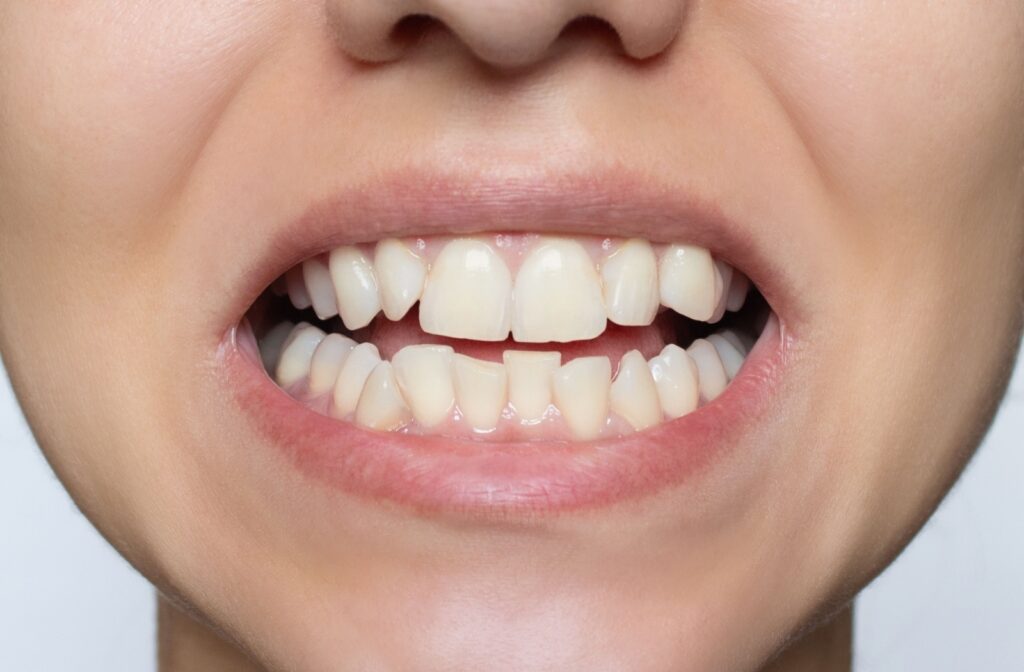
Have you ever looked in the mirror and noticed that your teeth are not straight? Maybe they overlap, twist, or stick out in a certain way? If that sounds like you, don’t worry — you’re not alone. Many people have Crooked teeth, and it’s something that can be treated for them. In this blog, we’ll explain why teeth grow crooked, what problems they can cause, and how to fix them — all in simple words anyone can understand.
Why Do Teeth Grow Crooked?
There are several reasons why teeth might not grow in the right way:
| Cause | What It Does |
| Small mouth | Not enough space for all the teeth, so they crowd or overlap. |
| Uneven jaw size | Can cause overbite (top teeth stick out) or underbite (bottom teeth stick out). |
| Family history | Just like eye or hair color, crooked teeth can run in families. |
| Losing teeth early | Gaps from missing baby or adult teeth make others shift into the empty space. |
| Thumb sucking or pacifier use | Using these habits beyond age 3 can change how teeth grow. |
| Jaw injuries | Accidents or trauma can shift teeth out of position. |
Sometimes, crooked teeth happen naturally. Other times, they develop from habits or problems during childhood.
Common Problems Caused by Crooked Teeth
are not just about appearance. They can affect your health in many ways.
| Problem | Explanation |
| Hard to clean | It’s tough to brush and floss between crowded teeth. |
| Gum problems | Bacteria and plaque can build up, causing red, swollen, or bleeding gums. |
| Bad breath | Trapped bacteria between crooked teeth can lead to a bad smell in the mouth. |
| Tooth wear | Teeth rubbing against each other can damage the enamel over time. |
| Difficulty chewing | Misaligned teeth make it hard to bite and chew food properly. |
| Jaw pain and headaches | Pressure on the jaw muscles can cause regular pain or headaches. |
| Teeth may break more easily | Uneven pressure can make certain teeth weaker. |
| Low confidence | Many people feel shy or embarrassed about their smiles. |
| Speech problems | Crooked teeth or jaw misalignment can lead to issues like lisping while talking. |
| Risk of jaw disorders | Some people may develop joint issues in the jaw, which can cause pain and popping. |
So even though crooked teeth may not seem like a big deal, they can affect how you eat, speak, and feel about yourself.
How Do You Know If Your Teeth Are Crooked?
You might notice that your teeth look uneven or out of place, but a dentist is the best person to confirm it.
Here are some signs that might mean your teeth or bite are misaligned:
Trouble chewing or biting food
Pain in your jaw or frequent headaches
Teeth that don’t line up when you close your mouth
Speech issues like a lisp
If your dentist thinks your teeth need special care, they will send you to an orthodontist. An orthodontist is a dentist who specializes in fixing crooked teeth and jaw problems.
What Happens at the Orthodontist?
At your visit, the orthodontist may:
Take X-rays to see how your teeth are positioned under the gums.
Take photos of your teeth and face to check how your bite affects your appearance.
Make molds of your teeth by having you bite into a soft material. This helps them create a model of your mouth.
These tests help the orthodontist understand what kind of treatment you might need.
How Can Crooked Teeth Be Fixed?
There are many ways to fix crooked teeth. The treatment depends on how serious the problem is.
1. Braces
Braces are small brackets and wires that are placed on your teeth to move them into the right position.
Braces may be made of metal or other materials.
You might wear them for one to three years, depending on your case.
After the braces are removed, a retainer is usually needed to keep your teeth in place.
2. Clear Aligners
These are custom-made plastic trays that slowly move your teeth into place.
They are almost invisible and can be removed when eating or brushing.
They are usually used for mild or moderate alignment issues.
3. Veneers
Veneers are thin shells made of porcelain that are placed over the front of your teeth to improve their appearance.
They are mostly used by adults.
Veneers can hide crooked or stained teeth, but they don’t fix the actual alignment.
They need to be replaced every 10 years or so.
How to Take Care of Your Teeth During Treatment
Whether you’re wearing braces, a retainer, or aligners, it’s important to keep your teeth clean and healthy.
Here are some tips:
Brush your teeth at least twice a day with fluoride toothpaste.
Floss daily, even if it’s hard — there are tools to help with braces.
Avoid sticky or hard foods like gum, caramel, or popcorn.
Visit your dentist regularly for cleanings and checkups.
Follow all the care instructions given by your dentist or orthodontist.
Final Thoughts
Crooked teeth are very common and can happen for many different reasons. While they may seem like just a cosmetic issue, they can cause real problems with chewing, speaking, and even your confidence. The good news is that there are many ways to fix crooked teeth, and dentists and orthodontists are here to help.
If you think your teeth might be crooked or your bite feels off, don’t ignore it. Talk to your dentist. Early treatment can make things easier and prevent bigger problems in the future.
Remember, your smile is a big part of how you feel. Taking care of your teeth can help you stay healthy, happy, and confident.