
The Environmental Impact of Drain Blockages and How to Mitigate It
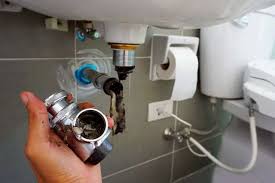
Blocked drains can really mess up the environment by messing with water systems and causing pollution. When drains get clogged, stuff like sewage, chemicals, and trash can spill into rivers, streets, and even homes.
This can be a big health hazard and mess up local wildlife and plants. In the UK, heavy rain makes this problem worse, so it’s really important to keep our drains clear.
By coming up with good ways to tackle this, people and communities can team up to stop blockages and help the environment.
The Domino Effect of Blockages
When drains get blocked, it messes up how water flows, causing sewage to overflow into rivers and streets. This dirty water has nasty stuff in it that can really harm nature. Like in the River Thames, blockages have caused sewage spills that have hurt fish and plants living there.
It throws nature out of whack, messing with water quality and the creatures that live in these places. So, sorting out these blockages quickly is super important to stop more environmental damage.
Even little things, like throwing rubbish away the wrong way, can turn into big problems. We all need to pitch in to keep nature safe.
Think about how these blockages can make life hard for animals like otters that need clean water to hunt, or how bad algae can choke plants. It shows why we all need to work together to look after our environment.
Pollutants in Water Systems
When drains get blocked, they let bad stuff sneak into our water. It’s mostly things like chemicals from cleaning supplies, bits of plastic, and old food. These mess up the water, making it bad for us and the creatures living in it.
Stuff like soaps and oil can mess with the water’s balance and harm sea life. Plastics, which often get tossed out carelessly, don’t break down and can hurt or kill marine animals. Shockingly, about 200,000 tons of plastic fill up the UK’s waters each year.
That’s a huge amount, showing we need to stop this pollution fast. Leftover food scraps rot in the water, using up oxygen and hurting fish and other water creatures.
We can all help by using drain screens and composting food waste. Little changes like these can save our waters and protect sea life for the future.
Practical Tips for Preventing Drain Blockages
Keeping your drains clear is a smart move. It keeps the water flowing nicely and saves you a ton of cash on pricey repairs. A cool tip? Check your drains every month to spot any build-up early.
You can use drain screens to catch hair and bits of food so they don’t end up blocking things. Try this: mix some baking soda and vinegar, then pour hot water down the drain to clear small clogs without using harsh stuff.
Also, let everyone in the house know how to get rid of waste properly. Like, don’t pour grease or oil down the sink; they can harden and block things up. Instead, toss them in a container and bin them with your regular rubbish.
Getting a professional to have a look once a year is a good idea, too. They can spot any issues before they become big problems. By doing all this, you’ll keep your drains working well and help the environment too.
Tackling Drain Blockages Together
Blocked drains aren’t just a plumbing nuisance—they can harm the local environment too. That’s why getting the community involved in tackling this issue is a smart move.
Organising neighbourhood clean-up days, especially in flood-prone spots like riversides, parks, and public walkways, can go a long way. These events help remove litter and debris before it clogs up drainage systems, while also boosting community pride and environmental awareness.
Educational workshops are another great way to make a difference. By teaching people what causes blockages—like pouring grease down the sink or flushing wipes—you empower them to make smarter choices at home.
Partnering with local councils can help take these events further, providing access to expert speakers, equipment, and venues.
And don’t underestimate the power of social media. Use it to launch awareness campaigns, share event details, and get the word out using eye-catching graphics and simple hashtags. The more people talk about drain health, the more momentum builds for long-term change.
Getting involved doesn’t take much—just a bit of time and the willingness to pitch in. So bring a friend, roll up your sleeves, and be part of the movement. It’s a simple way to protect the environment, support your community, and keep local waterways cleaner for everyone.
Eco-Friendly Solutions for Blocked Drains
If you want to clear a drain without hurting the environment or your pipes, try natural stuff. Chemical cleaners can mess things up and aren’t great for nature.
Instead, grab some baking soda and vinegar. Pour half a cup of baking soda down the drain, then add a cup of white vinegar. Let it bubble for about 15 minutes to break up the gunk. Afterwards, just rinse it out with boiling water for a complete clean.
Enzyme-Based Cleaners
Enzyme-based cleaners are another cool eco-friendly choice. They use natural bacteria to eat away at organic waste, keeping your pipes clear without nasty chemicals. These are great for regular use to keep everything flowing smoothly while being kind to the planet.
The Benefits of Going Green
Going green with these solutions not only keeps your plumbing in tip-top shape but also helps the environment.
By choosing natural methods, you’re doing your bit for a healthier planet and making a positive impact on water systems. It’s a smart and caring choice for your home and the earth.
Conclusion
Fixing blocked drains is super important for keeping the environment clean and saving money. If we sort out these blockages, we cut down on pollution and keep local wildlife and plants thriving.
Doing simple things like regular checks and throwing away waste properly can keep our water clean and save us from big repair costs. When the community gets involved in looking after drains, it boosts environmental care and responsibility.
Jumping into action to stop and clear blockages helps make our world cleaner and healthier. It also nudges everyone towards caring more about the environment, both personally and as a community.