
How Color Drives Banner Performance: What Your Audience Sees First

Banners are visual aids designed to be seen immediately. Whether you hang them outside, in a conference facility, or within a shopping complex, they grab attention, communicate a message, and take action. Color is the first thing that anyone will see. It makes your banner noticed, disregarded, or remembered. Color affects visibility, emotion, brand recognition, and behavior. You’re wasting your money if you’re not using color for a reason.
Contrast Gets You Seen
No element is more important than contrast. Nothing else will work if your content does not stand against the background. Even the most edgy logo or creative slogan will not succeed if it cannot be easily seen. The high contrast between text and background is how banners become visible in crowded areas.
Bright colors over other bright colors generally cancel out. Blue over green, yellow over white, or red over dark orange won’t cut it at a distance. White over navy, black over yellow, or red over white high-contrast pairings work because they create strong visual contrast.
Experienced companies like San Francisco Banner Printing Company customize banner contrast based on customer demographics and viewing context. They consider factors like age group, environment, and reading distance to choose contrast levels that ensure visibility. Instead of defaulting to screen-friendly palettes, they design contrast that works where it counts. On the street, at events, or anywhere your audience sees the banner.
Color Drives Emotion and Instant Reaction
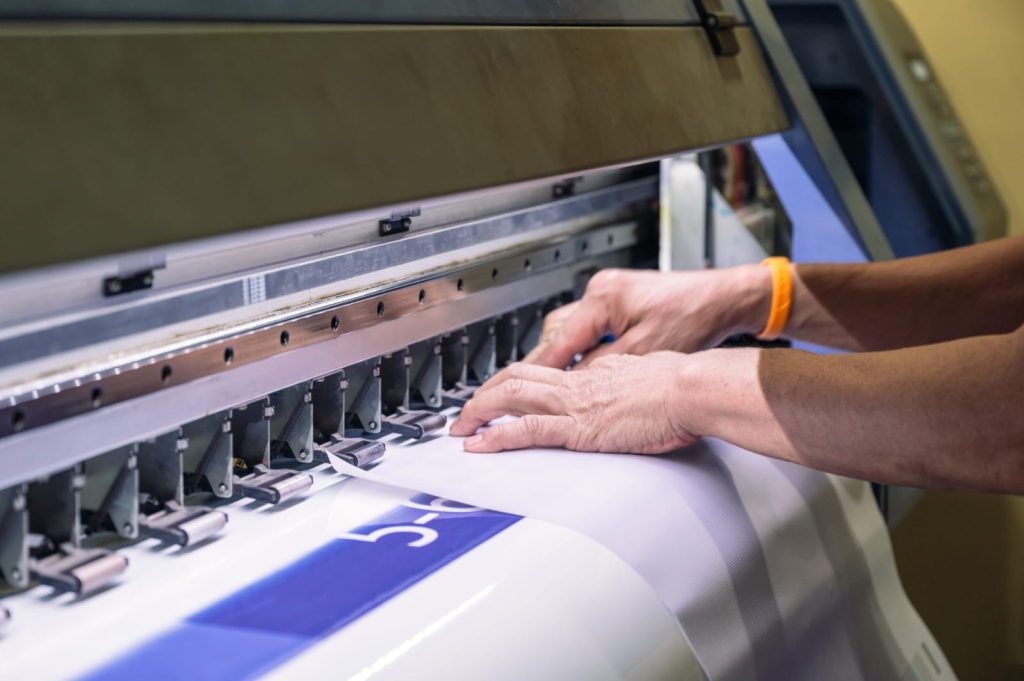
Before anyone reads your banner, they touch it. That touch decides what comes next, do they keep exploring or leave? Tone is set by color. Warm colors like red, orange, and yellow establish urgency and high energy. Red is best for limited-time promotions or attention-grabbing deals. Orange is less energetic but still engaging. Yellow provides energy but needs precise balancing, or it becomes overwhelming.
Cool colors like blue, green, and purple are slower, more stable, and more soothing. Blue builds trust. Green suggests health and sustainability. Purple can indicate quality, creativity, or formality depending on the color.
If you offer a discount with soft green and navy colors, your message will lack urgency. If you’re a law firm using firetruck red, you can generate the wrong atmosphere. Color needs to support the emotional tone of your campaign. Otherwise, people may feel a mismatch that they are unaware of unconsciously.
Use Temperature to Set the Tone
Color temperature shapes perception fast. Warm tones feel active and close. They push forward with a design. Cool tones feel calm and distant. They recede and open space. A red and orange banner yells from the wall. It wants your attention now. That works excellently for fast-turn campaigns, public events, or retail sales. A blue and white banner feels calm, logical, and serious. That works better for insurance firms, healthcare providers, or financial services.
That doesn’t mean one is better than the other. It means each works for specific goals. Choose based on tone and function, not aesthetics. Don’t randomly mix warm and cool. You’ll confuse the viewer. San Francisco Banner Printing Company helps businesses match color temperature to their message. They guide clients away from mismatches, like using urgent reds for calm, professional messaging, so the final banner feels clear, aligned, and intentional.
Don’t Assume Brand Colors Are Banner-Ready
Brand colors are essential for identity, but don’t always work on banners. Soft grays, light blues, or subtle palettes might look great in print or digital, but fail under harsh lighting or at scale. It’s common to keep brand color as the background or accent while using an intense, contrasting secondary color for key text and calls to action. That way, you maintain identity while gaining visibility. That isn’t off-brand. It’s a strategy. If your entire banner disappears because your color palette can’t cut through the visual noise, your brand loses, not wins. Use branding smartly. Adapt it for format and context.
Environmental Factors Change Color Effectiveness
Where the banner will be placed matters as much as the design, lighting, angle, distance, and background clutter, all of which affect how your colors perform. Outdoor banners must withstand sunlight and glare. That often means avoiding very light shades, especially yellows and light grays. These can completely disappear in daylight. Conversely, indoor banners might sit under tinted lighting or LEDs that shift color appearance slightly.
Print material also matters. Matte finishes reduce glare but may dull colors. Glossy finishes enhance brightness but can reflect light unpredictably. Always test under the same conditions where the banner will live. San Francisco Banner Printing Company always recommends clients preview a section of their banner at full size and in realistic lighting before final approval. Many color disappointments come from skipping this step.
Context Determines How People Interpret Color
Context changes the meaning of a color. Red might mean urgency to one person, and danger or error to another. In some cultures, white symbolizes purity. In others, it signals mourning. Don’t make assumptions if your audience is diverse, like in San Francisco or other major metro areas. Do a basic review of your audience demographics. For example, green works universally well for environmental themes. However, yellow may trigger caution rather than optimism in some contexts.
There is also a change in color perception according to the age group. Younger viewers appreciate bright, saturated colors. Senior demographics are more likely to respond to gentler colors that are easy on the eyes. Think of the audience before deciding on how to frame your message.
Design for Distance and Motion
Most people aren’t standing still, reading your banner at arm’s length. They’re walking by, driving past, or scanning from across a crowded room. That changes everything about how color works. Low-contrast or overly complex color combinations blur at a distance. Thin lines disappear. Decorative fonts in medium tones don’t register. Your message must survive in three seconds or less. That means bold colors, sharp contrast, and a clean layout. Think billboard rules, not flyer rules. If your design only works up close, it’s not a banner; it’s a poster.
Color makes or breaks your banner. Use high contrast to get seen, match emotion to message, and test everything under real conditions. Think in terms of temperature, tone, and context. Then transform the palette to the place where the banner will be positioned. When you need banners at multilingual events, consider applying various background colors to separate blocks of the languages.